In a world where every minute matters, and operating costs rise faster than anyone’s motivation to keep typing data in by hand, automation is no longer just an option. It is a necessity. Especially in small businesses that do not have in-house finance teams, yet still need to move fast, stay organised, and avoid mistakes.
Manually processing invoices, sorting documents, and answering accounting questions are the kind of tasks that eat up time and energy without giving anything meaningful back.
The good news is that AI tools can now handle a large part of that work for us. With automated document workflows, solutions powered by artificial intelligence, and quick implementation, even a one-person business can operate with the efficiency of a much larger team. And do it without the frustration.
In this article, we will show you how to automate the key financial processes, where the biggest time savings usually hide, and why it is worth starting now, even if it feels like everything is somehow still “working”.

Which financial processes put the biggest strain on running a business?
Why do finance tasks take up so much time in day-to-day business management?
In small businesses, many financial processes still rely on manual work. That means a higher risk of mistakes, more delays, and unnecessary admin costs. Take a single invoice: it has to be received, registered, described, approved, and then booked. In practice, that often means dozens of emails, files, and follow-up questions every day, all of which make running the business harder and consume resources that could have gone into growth, sales, or marketing.
The problem is that most of these are routine tasks that can be automated. And this is not just about invoice automation. It also includes things like generating reports, checking payment status, searching for documents, or managing agreements with clients and employees. In businesses that do not use automation tools, even a small mistake can lead to penalties or a loss of trust from clients and counterparties.
That is exactly why business process automation is becoming more than a convenience. It is becoming a core part of risk management in small companies. With AI-powered solutions and smart document management systems, it is possible to gain real control over finances in real time, from anywhere, even in a remote work model.

What can you gain by automating financial processes?
Can you really win back as much as 10 hours a month through automation?
Yes. And that is not an exaggeration.
Automating financial processes does not just shorten the time spent handling documents. It also improves team efficiency and reduces the amount of attention wasted on tasks that bring no real value. When repetitive activities such as describing documents, registering invoices, or preparing bank transfers are handled by the system, you do not just save an hour here and there. Over the course of a month, you win back entire working days.
But saving time is only the beginning. Automation also gives you:
– lower operating costs, because fewer things are done manually and fewer errors need fixing
– stronger competitiveness, because you can respond faster to clients and deliver smoother service
– better compliance with deadlines, procedures, and accounting requirements, because the system keeps watch for you
In small businesses and accounting firms, where one person often handles multiple processes at once, document workflow automation usually delivers the fastest and most visible return on investment. An automated system does not forget, does not need reminders, and does not go on holiday. That means your business can run more smoothly, and your decisions can be based on live data rather than assumptions.

Which financial areas are worth automating first in small businesses and accounting firms?
Where should you start if you want the biggest effect in the shortest time?
The fastest wins usually come from automating the tasks that are the most repetitive and the most time-consuming. That is where it makes the most sense to begin. A well-designed business automation system removes hundreds of tiny tasks that used to sit on your desk or on your team’s plate.
Here are the processes worth automating first:
– Collecting invoices
Documents go straight into the system through an automated email inbox or a mobile app with smart OCR.
– Invoice processing and coding
Data is read automatically and assigned to the correct accounting categories, including linked contracts or projects.
– Expense approvals
With predefined approval paths, each document goes to the right person, and you can see exactly where it is in the process.
– Exporting payment batches
Instead of entering transfers one by one, you can select, approve, and export them to the bank in one go.
– Preparing reports
Financial data is processed and displayed in real time, which makes decision-making easier and improves day-to-day management.
Using modern AI tools in these areas not only makes the accounting side of the business more efficient, but also improves the productivity of the whole team, even if that team only has two people. Thanks to automation, you are not just lowering admin costs. You are also building trust with clients, who expect speed, accuracy, and easy access to data without unnecessary delays.

A real-life example: how the workday changes after AI is introduced
Does artificial intelligence really change daily work that much?
Yes. Completely.
Instead of juggling folders, pasting numbers into spreadsheets, and chasing the status of an invoice, you simply log into the app and see everything immediately. Artificial intelligence works in the background. It suggests cost categories, detects duplicates, reminds you about overdue items, and analyses financial data before you even think to ask for it.
Take a typical morning in a small business.
Before automation
– you open your inbox and find 27 emails from clients and employees
– you look for an invoice that still needs approval
– you try to remember whether it has already been paid
– you open a spreadsheet and start typing data in by hand
– someone asks for a report, and you reply, “I’ll send it in a minute”
After AI and automation are in place
– you open the app, and everything is already there: invoices scanned, data assigned, payments ready for approval
– the system shows you exactly which documents require your decision
– you generate a report with one click, and the data is current because it is processed in real time
– you can focus on planning, analysing, or simply enjoying your morning coffee
This is what document workflow automation and AI actually do. They stop your workday from feeling like an obstacle course. Employees stop wasting energy on copying and pasting, and business owners get a clearer view of where time and money are really leaking.
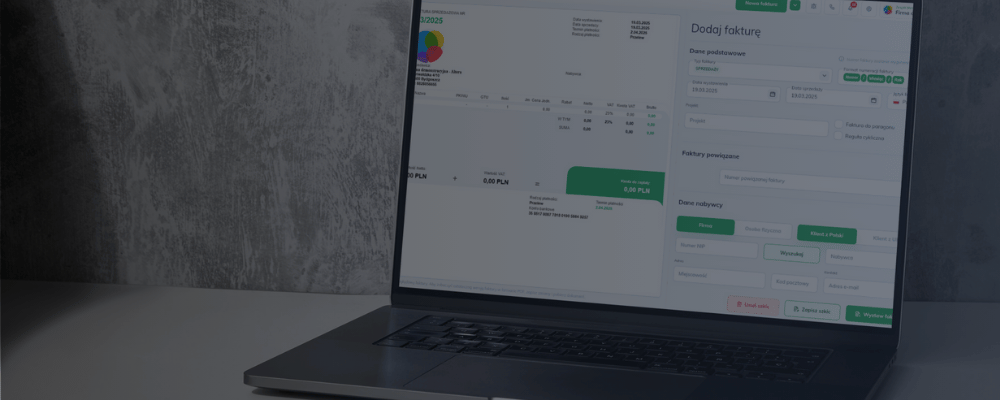
How Altera.app uses AI tools to automate finance
What makes Altera.app different from other AI tools?
Altera.app does not just support financial teams. It actively performs many of the tasks that used to weigh them down. It is not just another “nice-looking accounting tool”. It is a system that actually works and understands what your business needs.
Thanks to advanced AI tools, the app recognises documents, organises data, suggests next actions, and catches risks before they turn into mistakes.
What stands out in Altera.app?
– Smart OCR
It reads invoices and other documents with accuracy reaching 94%, and the data is ready to work with in around 15 seconds.
– Line-item invoice coding
Each item is assigned to the right account, which allows for more precise settlements and better cost control.
– Automated document workflow
The system moves a document from upload, through approval, all the way to payment.
– Payment batches
A few clicks are enough to process grouped payments, without having to log in and handle everything manually every single time.
– Financial reports
Generated automatically, always up to date, and easy to filter by project, category, or reporting period.
Altera.app also offers very fast implementation. You can configure it in about an hour and start working the same day. Even accounting firms handling dozens of companies can roll it out without long training sessions or extra IT support.
With Altera.app, automation stops being a nice idea on a slide deck and becomes a real part of running the business. It translates into time savings, lower operating costs, stronger productivity, and better control over finance. Most importantly, it is a tool you can actually rely on.

When does financial automation really pay off?
Does this only make sense for large companies and accounting firms?
That is one of the most common myths, that automation is only for bigger organisations with full finance departments.
In reality, it is often small businesses that benefit the most. In a smaller team, every hour matters more, every cost matters more, and every mistake has a bigger impact. When your company is made up of just a few people, routine tasks take up a much larger share of the day, and a single error can genuinely lead to penalties or settlement delays.
Implementing a modern document and invoice automation system gives small businesses a chance to:
– organise processes without hiring extra staff
– improve efficiency and consistency, even in remote or hybrid work
– respond faster to clients thanks to real-time reports and data
– manage risk and costs from a single dashboard
Companies that decide to introduce AI and automate their key finance processes often see the difference within days. The owner feels lighter. The team has more time. Communication with accounting becomes smoother. These are AI solutions that truly change how your business works, regardless of size.

How much does it cost to implement automation using AI tools?
Does it even make financial sense in a small business?
A lot of people ask that question, and fairly so. But instead of asking, “How much does automation cost?”, it is often smarter to ask, “How much is the lack of automation already costing me?”
Manual processes, invoice errors, lost documents, delayed payments, outdated data, all of these create real operating costs, reduce productivity, and can end in penalties.
In practice, the cost of implementing a modern invoice and document workflow system is often only a fraction of what the business loses every month through manual work. Especially because:
– you do not need expensive infrastructure, only a browser and internet access
– remote work and mobile access are standard, not premium extras
– setup takes hours, not weeks, so you do not have to interrupt daily operations
– many tools, including Altera.app, offer trial access and flexible plans matched to company size
For small businesses and accounting firms handling many clients with a limited team, automation is not a luxury. It is a critical tool for staying competitive, especially when every minute counts twice.

How to start automating finance with smart tools
Where should you begin if you want to implement automation without turning everything upside down?
The best answer is simple: just start.
Contrary to what many people think, business process automation does not require a full team of analysts or a total change of your accounting setup. What you need is a tool you can test on your own and that brings order step by step, instead of flipping the entire business upside down.
Here is a simple minimum plan:
– Choose an app that combines invoice handling, reporting, communication, and payment automation.
– Create an account and configure the basic settings: users, cost categories, and approval paths.
– Add your first documents and see how the smart OCR works and whether the data is recognised automatically.
– Connect the app with your bank, if possible, or prepare payment batches for export.
– Test the reports and check whether you can see costs by project, client, or employee.
If you already work with an accounting firm, great. The app can become the shared space for documents and communication. If you do not, an intelligent system still gives you much more control over the cooperation with any outside provider.
The most important thing is this: you do not have to automate everything at once. Start with what puts the biggest strain on your business, invoices, reports, reminders. See the results. Then add more.
Think of it as upgrading your business. Only instead of stress, you get time savings, better control, and more confidence in the processes that keep things moving.

FAQ – the most common questions about finance automation with AI
Will finance automation work in a small business without an accounting department?
Yes. In fact, that is where it often delivers the biggest results. With intelligent software, you can automate document registration, payment preparation, and financial reporting without hiring extra people or building a large accounting function.
Do I need to integrate the system with my bank or accounting firm?
No, but it is worth it. Modern tools such as Altera.app allow you to export payment batches to the bank and share documents with your accounting firm. That makes cooperation faster and reduces the risk of mistakes.
What types of documents can AI process?
Almost all of them: cost invoices, sales invoices, contracts, internal documents, employee submissions. Artificial intelligence can recognise the content, assign categories, suggest where the document belongs, and move it further through the chosen approval path.
Are AI systems secure and compliant with GDPR?
Yes, provided you choose a reliable solution. Altera.app uses data encryption, runs on European servers, and gives you full control over user access. Data protection and compliance are not extra features there. They are the baseline.

Summary: automation that actually makes a difference
Finance automation is not just a trendy slogan from a business conference. It is a practical answer to everyday problems faced by entrepreneurs: too many repetitive tasks, duplicated data, lack of visibility, and the habit of postponing important things until later.
Thanks to modern AI solutions, even a small business can work faster, lower admin costs, and gain full control over documents, expenses, and settlements.
You do not need to be an accounting expert to bring order into your business. You just need the right tool, one that genuinely supports you, simplifies the work, automates the key processes, and builds confidence through speed and accuracy.
And if you are still not sure where to begin, start with one simple question:
How much time and money is the lack of automation already costing you?
Because winning back 10 hours a month is usually only the beginning.
.png)